Radon Doesn't Check the Zoning
The same Pierre Shale and glacial till under Bismarck's houses sits under its schools, daycares, clinics, offices, and apartment buildings — and the state's numbers don't exempt commercial foundations. Every North Dakota county is EPA Zone 1, and the DEQ reports 63 percent of the state's homes test above the action level. A building where people spend eight hours a day, five days a week, has residential-grade exposure math with commercial-grade square footage.
Who Should Be Testing
- Schools and daycares. The EPA has recommended school radon testing for decades, and child-occupied buildings are where elevated readings matter most. Ground-contact classrooms get priority.
- Multifamily and apartments. Ground-floor units over slabs and basements are the exposure zone. Owners increasingly test at acquisition and refinance — and disclosure norms are only moving one direction.
- Offices and clinics. Long, regular occupied hours in ground-contact space — the profile radon risk is built from.
- Anyone buying a building. Radon testing is cheap due diligence, and mitigation is a knowable, fixed cost to bring to the table before closing rather than discover after.
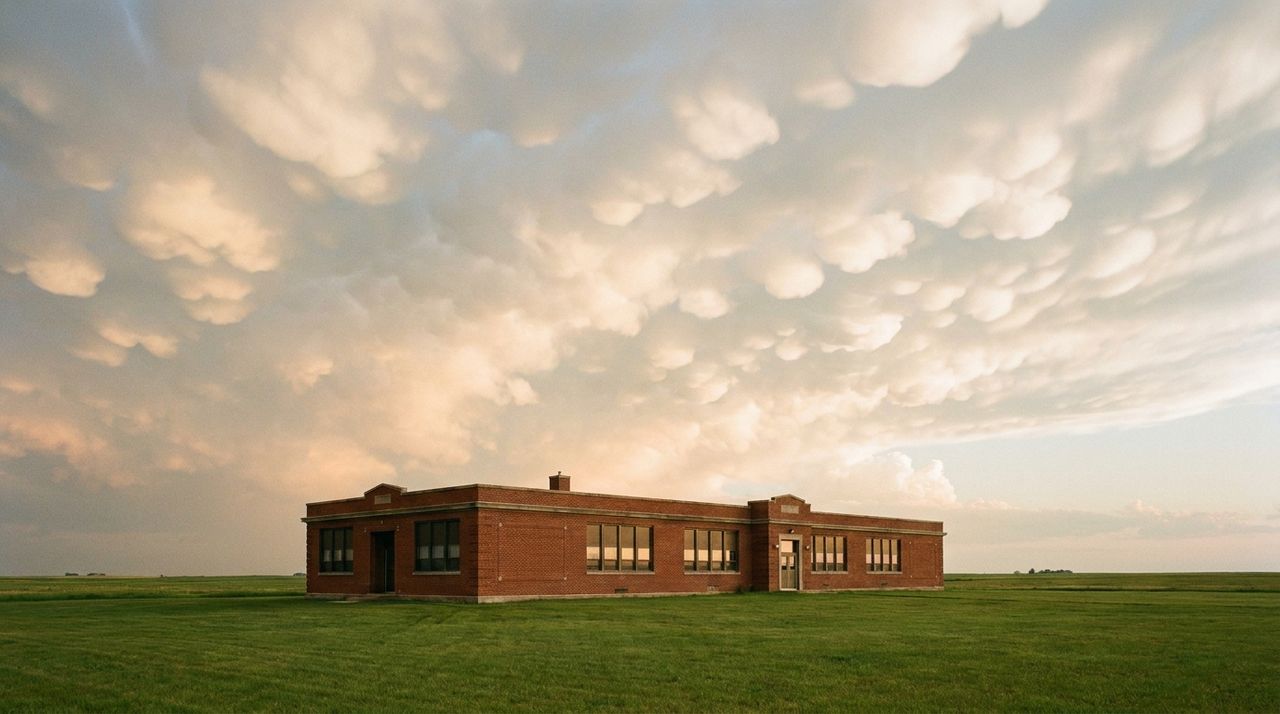
How Commercial Radon Work Runs
Testing comes first and follows ANSI/AARST placement standards: multiple simultaneous detectors, ground-contact rooms prioritized, results documented per zone so you know exactly which parts of the building need attention — and which don't. That zone map often cuts the mitigation scope, and the price, substantially.
Mitigation is the same physics as residential — sub-slab depressurization — engineered across a larger footprint: suction points located off the zone data, fans sized to the sub-slab material, discharge routed away from air intakes, windows, and roof gathering areas. Work is scheduled around your occupancy — nights, weekends, school breaks — and every zone gets a post-mitigation verification test before we call it done.
Documentation You Can Hand to Anyone
Commercial radon work is only as good as its paperwork. You get the test placement map, per-zone results, system design notes, and post-mitigation verification in one packet — the thing you hand the school board, the lender, the buyer's counsel, or the parent who asks. In a state that now requires radon disclosure in residential sales, commercial buyers are asking the same questions a year early. Having the answer in writing is cheaper than being asked without one.
The Capital-City Building Stock
Bismarck's commercial inventory is unusual for a city its size: a state-government office core, two major hospital campuses and their satellite clinics, a community college and a private university, school districts on both sides of the river, and the multifamily construction that a decade of steady growth brought to the north side. Much of it sits directly on slab over the same till the houses do — and slab-on-grade ground-contact space is exactly where occupational radon exposure accumulates. Facilities managers who already track air quality, asbestos, and lead have every reason to put radon on the same clipboard: the test is the cheapest line item on it.
For daycare operators and schools there's an extra practical point: radon results are increasingly part of licensing conversations, parent communications, and board risk reviews nationwide. Getting ahead of the question with a zone-mapped test — and, where needed, verified mitigation — converts an unknown liability into a one-page answer. Mitigation pricing logic → applies to commercial work too: footprint and foundation zones drive it, and the quote is firm before any work starts.