Last updated
The Straight Answer on Radon Mitigation Cost
A standard single-suction sub-slab radon mitigation system in the Bismarck area typically costs about $1,000 to $2,500 installed. Nationally the published range for a standard system runs roughly $700 to $3,000, with most homeowners landing near the middle. Crawl spaces, multiple foundations, and large finished basements push the number up; a clean, unfinished basement with good sub-slab gravel pulls it down. Nobody can give you a firm price without seeing your foundation — which is why we put every quote in writing before any work starts, and why no local company publishing zero prices should get the benefit of the doubt.
What Actually Drives the Price
- Foundation type. One slab, one suction point, one fan is the base case. A basement plus a crawl space, or a slab poured in additions over the years, may need multiple suction points or a sub-membrane system.
- What's under the slab. Coarse gravel lets one suction point depressurize the whole footprint. Tight clay till — common around Bismarck — sometimes needs a stronger fan or a second point. Diagnostics tell us before the drill does.
- Finished space. Routing pipe through a finished basement and an insulated attic takes more time and care than an exterior run up the side of the house.
- Discharge route. Interior routes (garage or attic to roofline) cost a bit more and look cleaner; exterior runs are simpler and perform the same when properly installed.
- Starting level. A 6 pCi/L house and a 60 pCi/L house are different jobs. Very high readings need more aggressive design to land safely under 4.0 — and both get a verification test.
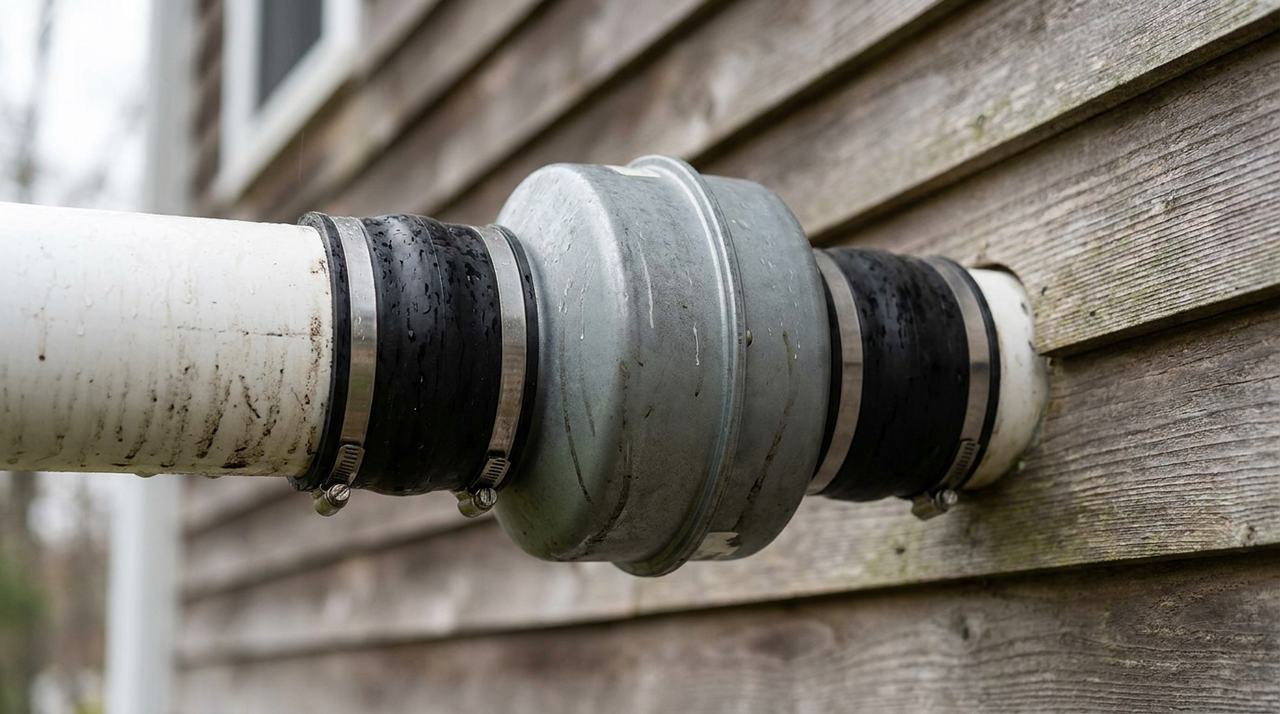
The Costs After the Install
Two honest line items nobody should hide from you. First, electricity: the fan runs 24/7 and draws about as much as a light bulb — a few dollars a month. Second, the fan itself wears out, on average after about ten years. Replacement runs a few hundred dollars, parts and labor, and takes under an hour. That's the entire ownership cost. There are no filters, no maintenance contracts, no service visits — just a manometer on the pipe you glance at once in a while, and a retest every couple of years for peace of mind. When a fan does die, we replace any brand →
Why the Cheapest Bid Isn't Always Cheapest
North Dakota has no licensing requirement for radon contractors — none. Anyone with a drill, a fan, and a Saturday can call themselves a mitigation company. The corners that get cut are invisible on install day: unsealed slab cracks that let the fan pull your heated basement air instead of soil gas, undersized fans that spin without moving the number, discharge points that dump radon right back at a window. The system looks identical. The retest tells the truth. Whoever you hire, require ANSI/AARST-standard work and a post-mitigation verification test in writing — we include both on every job.
Is It Worth It?
Consider what the number buys in this market. North Dakota's DEQ reports 63 percent of homes statewide test above the action level, and under the state's new disclosure law, known radon results now follow the house into every future sale. A documented, verified mitigation system converts “the radon question” from a negotiating liability into a one-line answer with paperwork. Buyers' agents in a 63-percent state know exactly what that's worth. Radon and real estate in North Dakota →